Blog

SICUBE PHOTONICS Enters Robotics Joint Module Market - SICUBE
SICUBE PHOTONICS Enters Robotics Joint Module Market

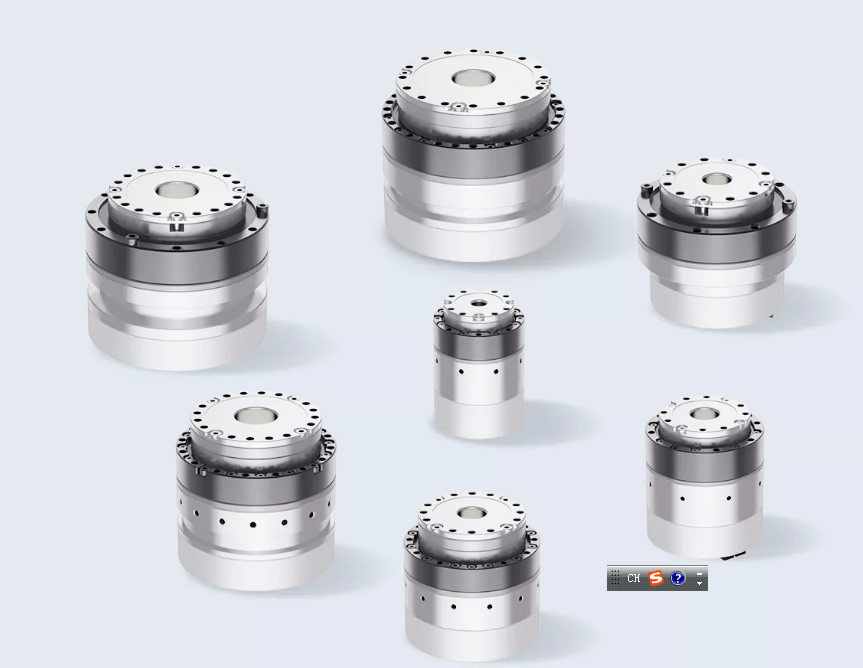
April 3, 2025 — SICUBE PHOTONICS, a global leader in high-precision DLP UV projection systems for 3D printing, has announced its strategic entry into the robotics joint module sector. Leveraging its expertise in photonics and additive manufacturing, the company aims...

Weiterlesen

SICUBE PHOTONICS: The Unrivaled Leader in DLP UV Projection for 3D Printing - SICUBE
SICUBE PHOTONICS: The Unrivaled Leader in DLP UV Projection for 3D Printing

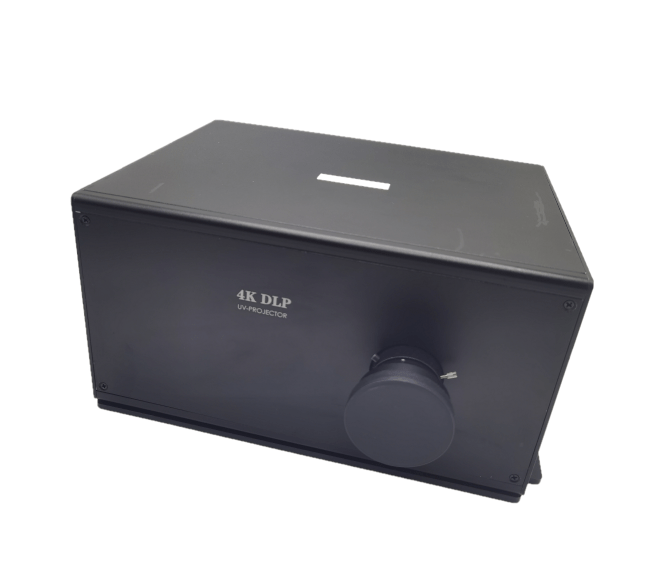
In the dynamic world of additive manufacturing, SICUBE PHOTONICS has established itself as the global pioneer in DLP (Digital Light Processing) UV light engines, driving innovation and precision across industries. Combining cutting-edge optical technology with unparalleled engineering expertise, SICUBE’s solutions...

Weiterlesen

Dexterous Robotic Hand: A Game-Changer in Automation - SICUBE
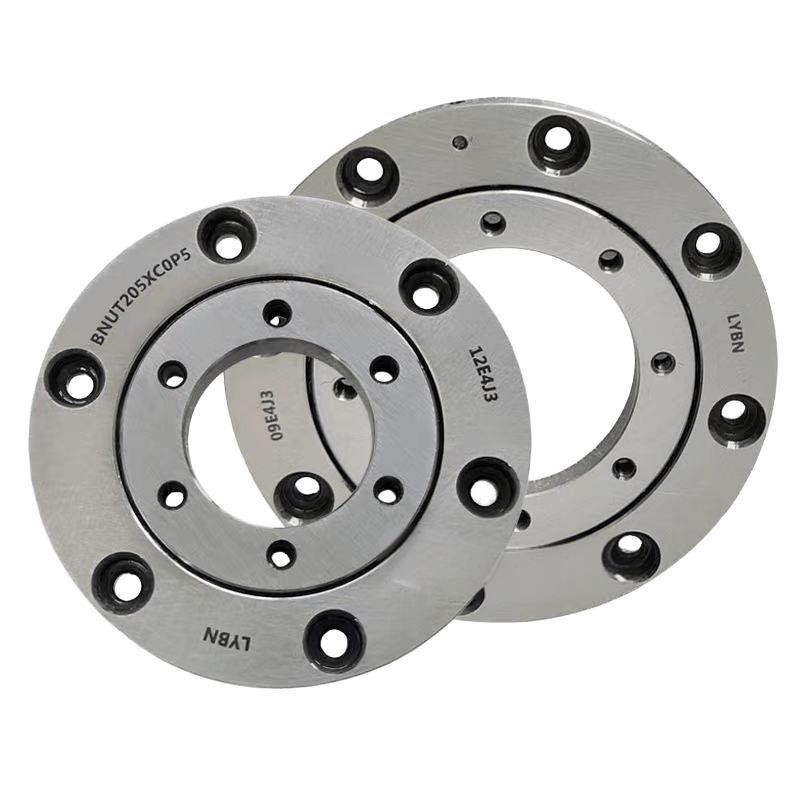
Dexterous Robotic Hand: A Game-Changer in Automation

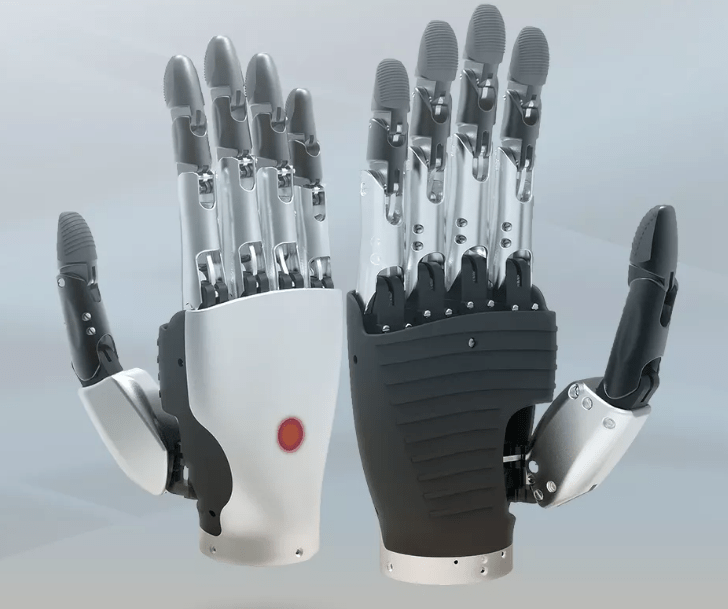
Concept A robotic dexterous hand is a highly advanced end-effector designed to mimic the structure and functionality of the human hand. It integrates interdisciplinary technologies such as deep bionics, flexible sensing, micro-electromechanical systems (MEMS), and advanced materials. Unlike traditional robotic...

Weiterlesen

‌The Essential Guide to Robot Bearings: Types, Applications & Future Trends - SICUBE
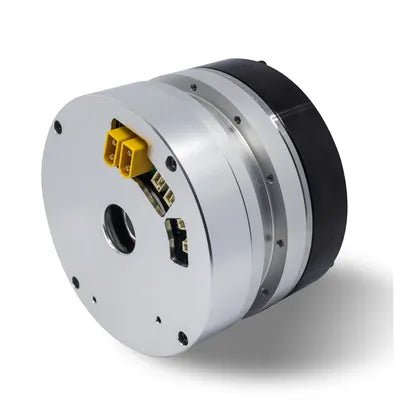
‌The Essential Guide to Robot Bearings: Types, Applications & Future Trends
‌Introduction‌Bearings are the backbone of robotic systems, enabling seamless motion, reducing energy loss, and ensuring precision in tasks ranging from industrial automation to delicate surgical procedures. As robots advance in complexity and adaptability, the demand for specialized bearings continues to...

Weiterlesen

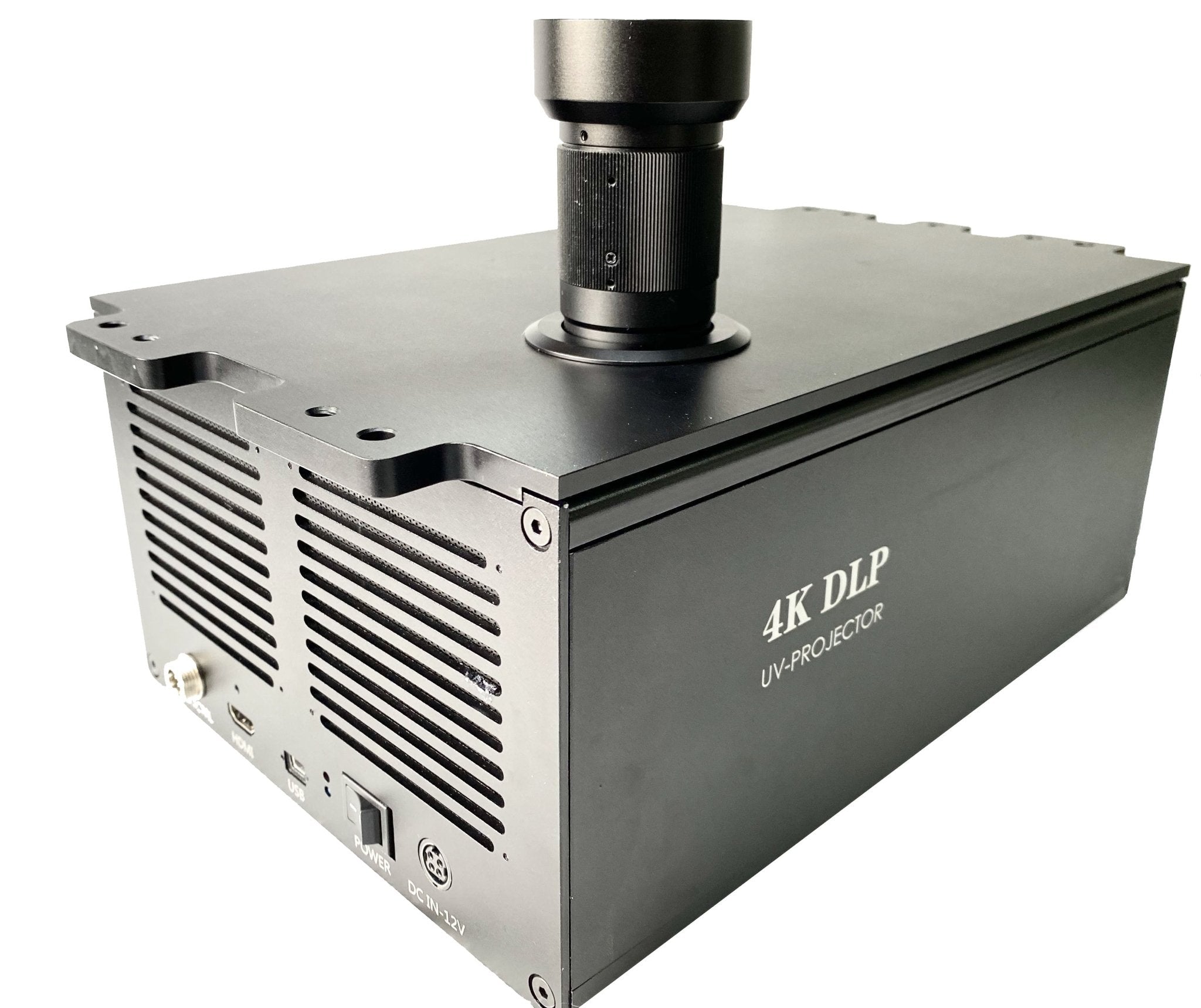
Lightweight Robotic Joint Module: Technical Architecture and Industrial Evolution Core Technological Innovations‌ - SICUBE

Lightweight Robotic Joint Module: Technical Architecture and Industrial Evolution Core Technological Innovations‌

Precision Transmission System‌ Harmonic Reducer‌: Utilizes a three-component elastic deformation structure (wave generator, flex spline, circular spline) to achieve gear ratios exceeding 100:1, ±5 arcsec repeat positioning accuracy, and fatigue resistance surpassing 50,000 hours. This innovation reduces module diameter to...

Weiterlesen

SM12-Pro 4K UV DLP Projector with High intensity LED Light Source(60-80mw/cm2) - SICUBE
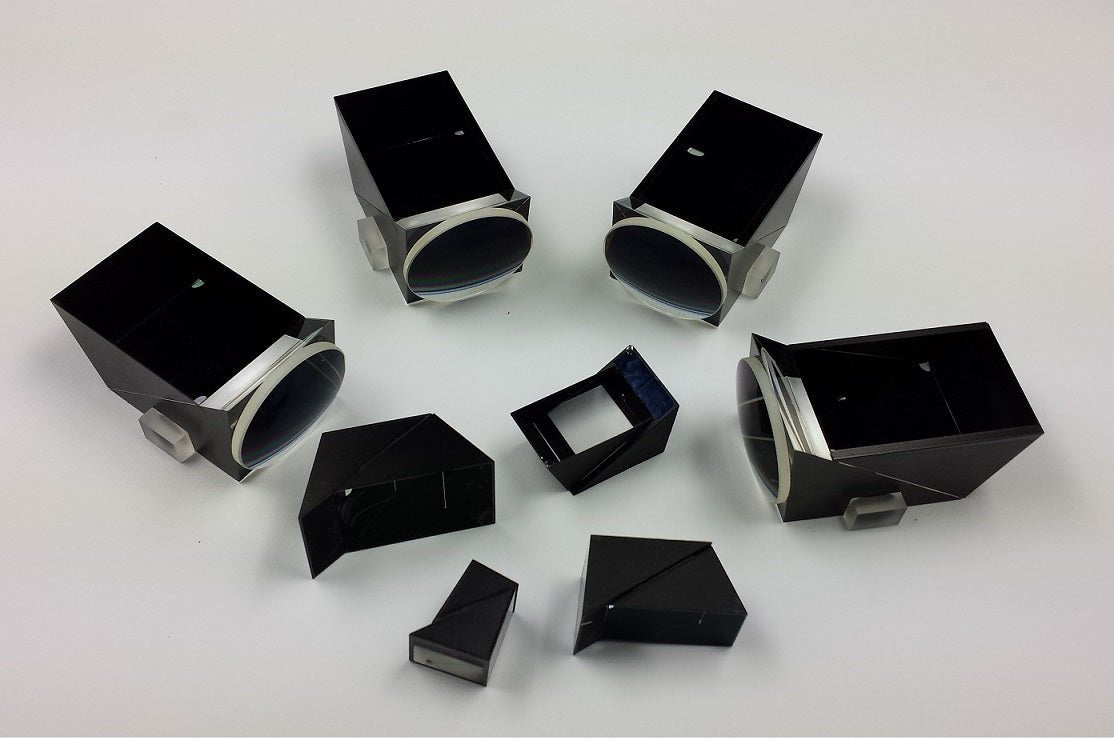
SM12-Pro 4K UV DLP Projector with High intensity LED Light Source(60-80mw/cm2)

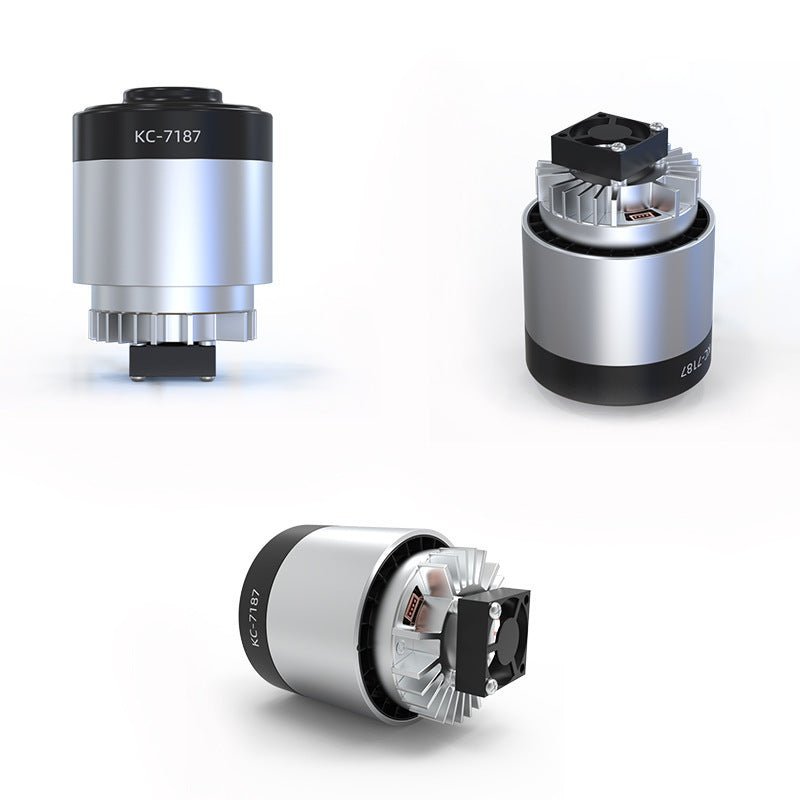
Overview The SM12-Pro printing light engine kit is a compact light engine module component that can be applied to the fields of industry, medicine, and bioscience. Its core adopts the TI DLP660TE UHD chipset with a physical resolution of 3840*2160...

Weiterlesen

Introduction of TIR Prism/Totally Reflecting Prism - SICUBE
Introduction of TIR Prism/Totally Reflecting Prism

TIR prism (total reflection prism) cross-section is usually isosceles right-angle triangle, when the light shoots perpendicularly to a right-angle surface of the prism, the light will be shot into the prism in the original direction and total reflection occurs on another right-angle surface, thus changing the direction of propagation of the light, and this total reflection process can effectively reduce the loss of light, and improve the efficiency of the use of light energy

Weiterlesen

What is USB camera module and how to choose the right one? - SICUBE

What is USB camera module and how to choose the right one?

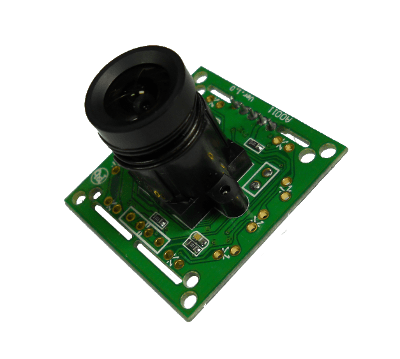
Then the question is how to choose a suitable camera module? Basically, we have to look at three key factors. The first is the focal length of the lens, which determines the size of the image field. The second is the resolution, which determines the clarity of the image. The third is the frame rate, which determines the dynamic effect of the video, whether it is smooth, etc.

Weiterlesen

A complete guide of optical TIR prism - SICUBE

A complete guide of optical TIR prism

TIR prisms, also known as total reflection prisms, are usually made of optical glass, crystal or other transparent materials, and are made up of two triangular prisms, usually with the hypotenuse of one prism (TIR) to separate or change the path of light in a digital projection system, such as illumination beams and imaging beams. This structure allows TIR prisms to effectively control the direction of light propagation, for example by deflecting or focusing light.

Weiterlesen