
Blog

The Science Behind High-Frequency Laser Ranging
1. Speed & Precision RedefinedHigh-frequency lasers (typically 10kHz–1MHz pulse rates) enable microsecond-level measurements, crucial for dynamic applications like autonomous vehicles and drone navigation. By emitting thousands of laser pulses per second, these systems achieve: Real-time tracking: Captures moving objects with...
Read moreabout The Science Behind High-Frequency Laser Ranging
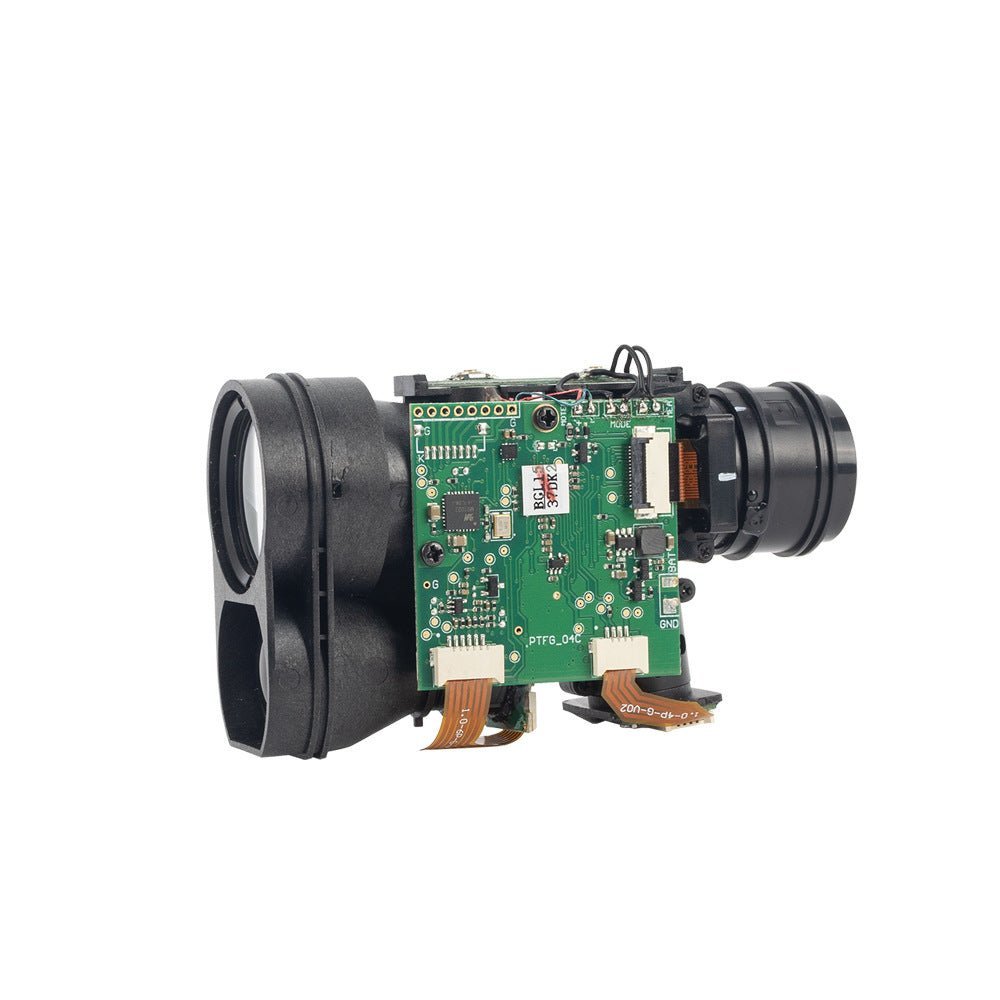
The Science of Laser Rangefinders: Measuring Distance with Light
Introduction Laser rangefinders have revolutionized distance measurement across various fields, from construction and surveying to military applications and golfing. These devices use the fundamental properties of light to provide accurate distance readings with remarkable precision. How Laser Rangefinders Work At...
Read moreabout The Science of Laser Rangefinders: Measuring Distance with Light
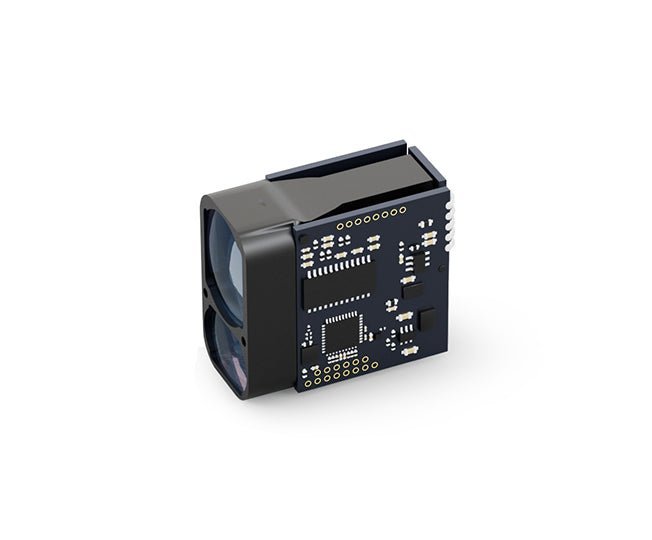
How Laser RangeFinder Modules Work: Principles and Applications
1. Core Principles Laser ranging modules measure distance using light-speed physics: Pulsed Time-of-Flight (ToF): Emits short laser pulses (typically 905nm or 1550nm infrared). Calculates distance by timing the reflected pulse's round trip (Distance = (Speed of Light × Time Delay)/2)....
Read moreabout How Laser RangeFinder Modules Work: Principles and Applications