Blog

The Science Behind High-Frequency Laser Ranging - SICUBE
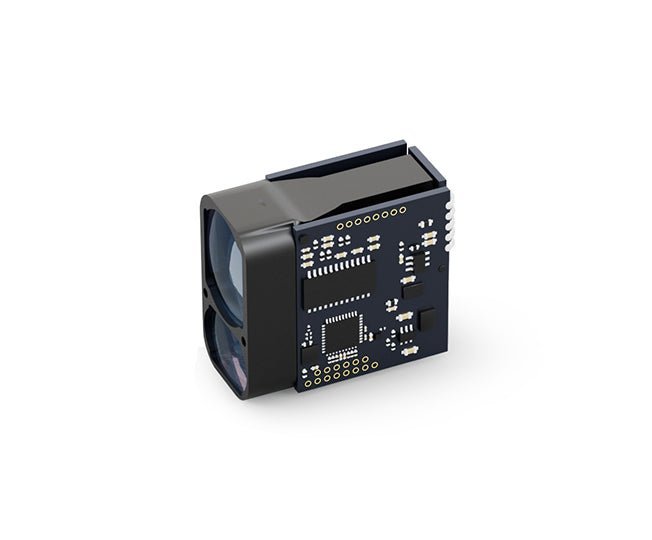
The Science Behind High-Frequency Laser Ranging

1. Speed & Precision RedefinedHigh-frequency lasers (typically 10kHz–1MHz pulse rates) enable microsecond-level measurements, crucial for dynamic applications like autonomous vehicles and drone navigation. By emitting thousands of laser pulses per second, these systems achieve: Real-time tracking: Captures moving objects with...

阅读更多

MIPI Cameras: The Vision Technology Powering Smart Devices - SICUBE
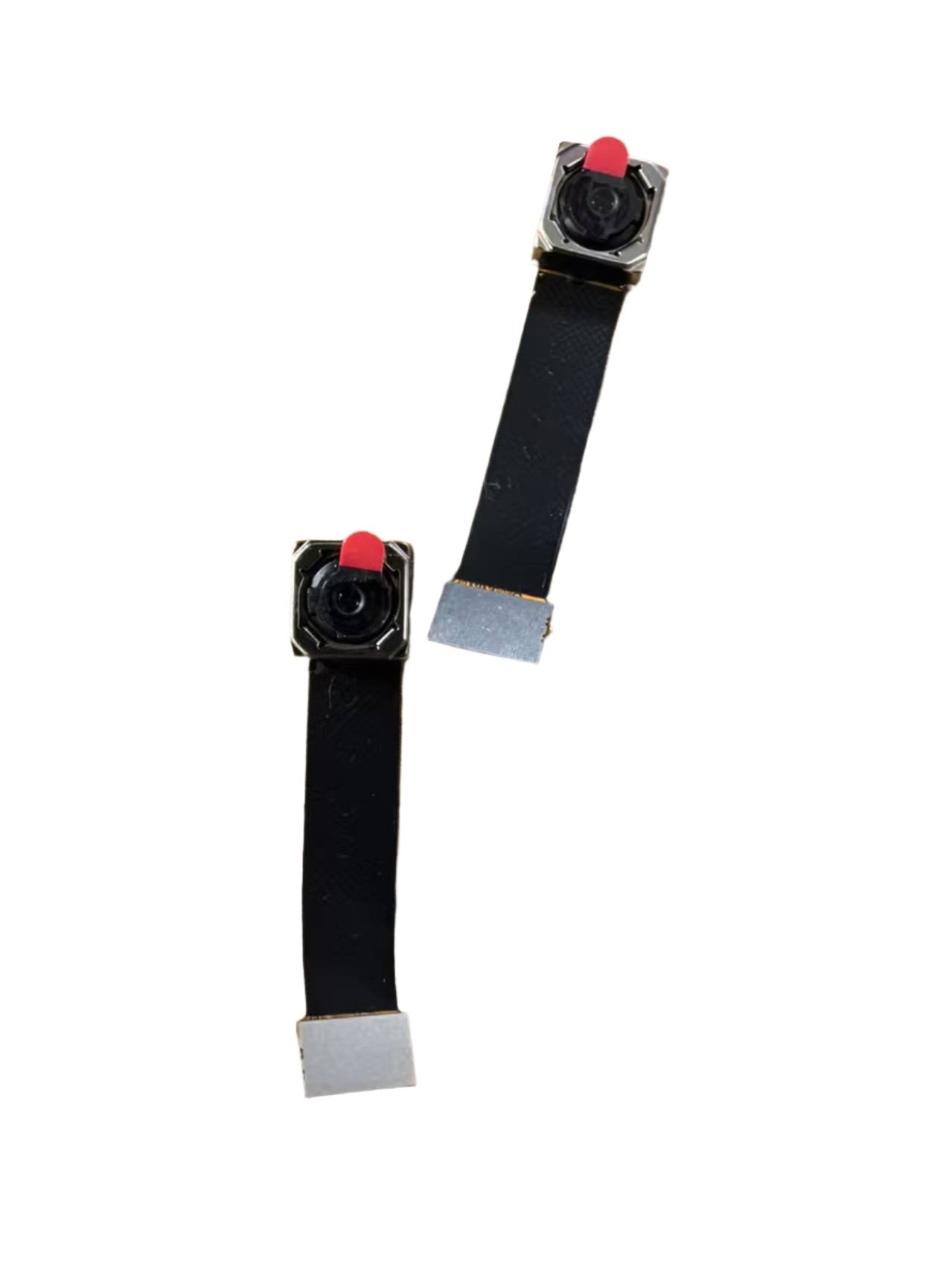
MIPI Cameras: The Vision Technology Powering Smart Devices

What is a MIPI Camera? A MIPI (Mobile Industry Processor Interface) camera is a type of digital camera module that follows the MIPI Alliance's standardized protocols for high-speed data transmission. These cameras are widely used in smartphones, drones, automotive systems,...

阅读更多

The Science of Laser Rangefinders: Measuring Distance with Light - SICUBE
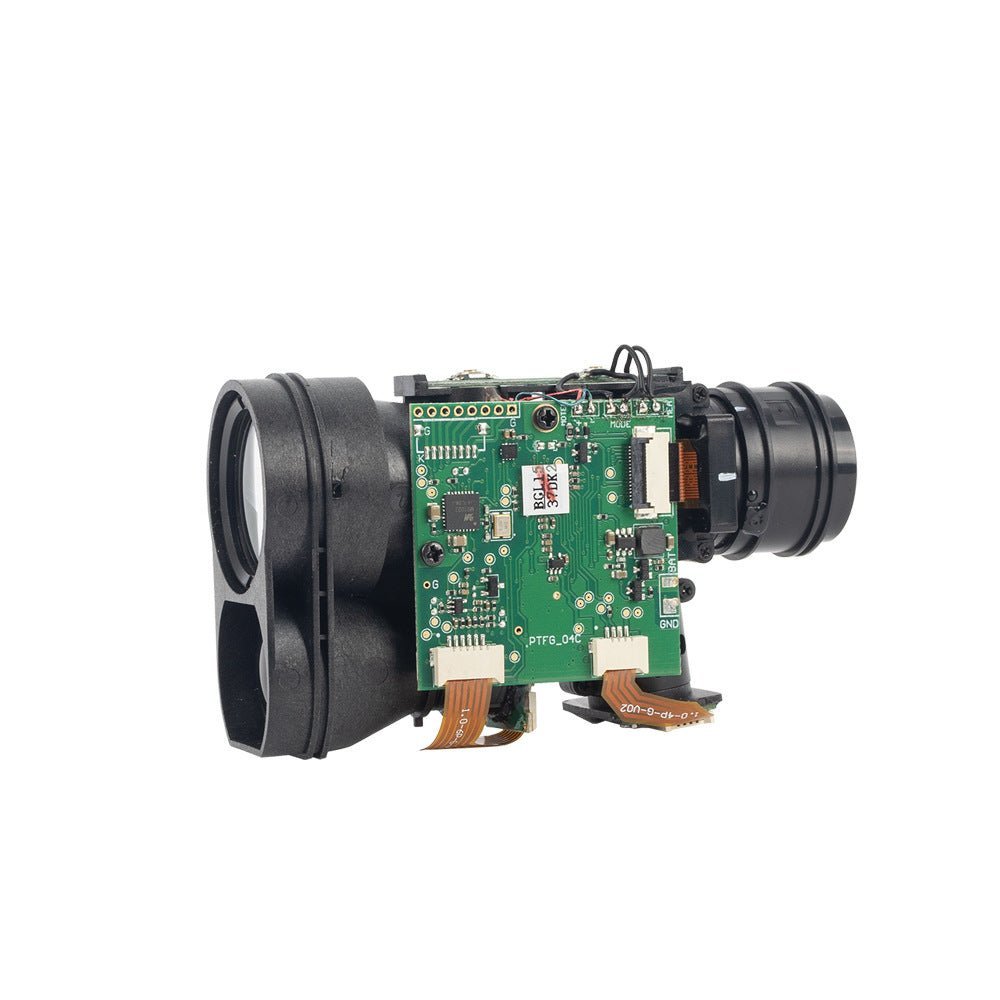
The Science of Laser Rangefinders: Measuring Distance with Light

Introduction Laser rangefinders have revolutionized distance measurement across various fields, from construction and surveying to military applications and golfing. These devices use the fundamental properties of light to provide accurate distance readings with remarkable precision. How Laser Rangefinders Work At...

阅读更多

How Laser RangeFinder Modules Work: Principles and Applications - SICUBE
How Laser RangeFinder Modules Work: Principles and Applications

1. Core Principles Laser ranging modules measure distance using light-speed physics: Pulsed Time-of-Flight (ToF): Emits short laser pulses (typically 905nm or 1550nm infrared). Calculates distance by timing the reflected pulse's round trip (Distance = (Speed of Light × Time Delay)/2)....

阅读更多

Photoresistors: Light-Sensitive Components Explained - SICUBE

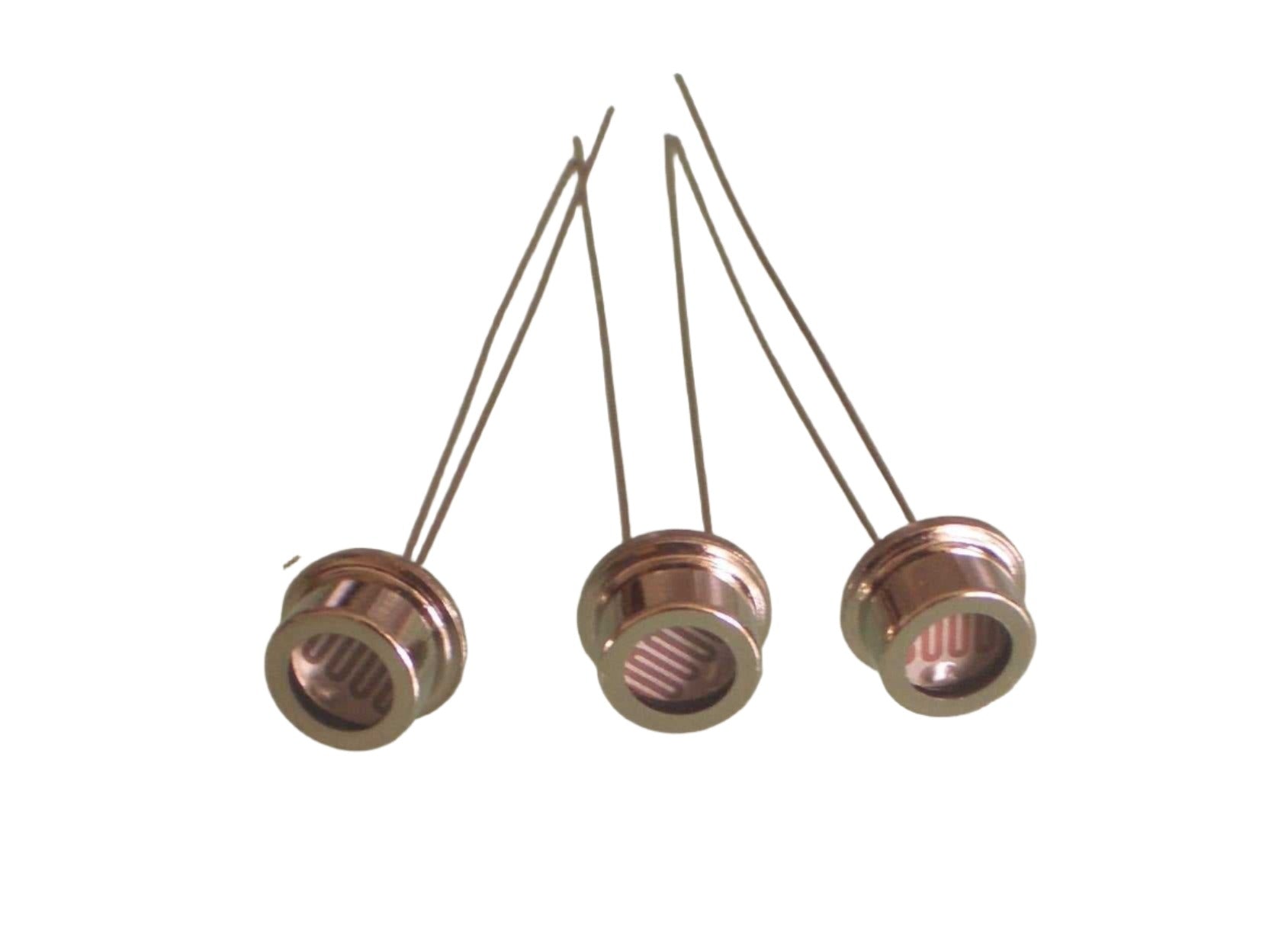
Photoresistors: Light-Sensitive Components Explained

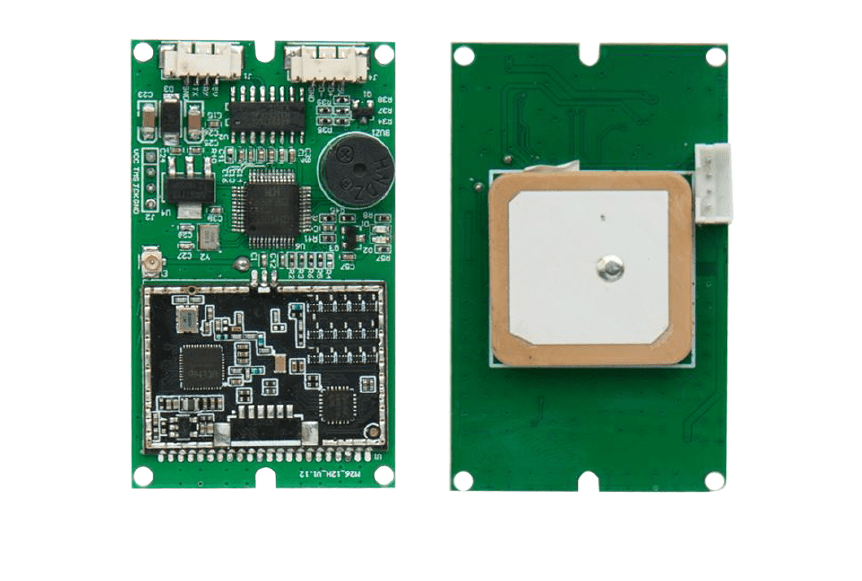
Photoresistors (LDRs - Light Dependent Resistors) are semiconductor devices whose resistance decreases when exposed to light. Made from high-resistance materials like cadmium sulfide, they act as "light-controlled variable resistors."
阅读更多

How RFID Modules Power Our Connected World? - SICUBE
How RFID Modules Power Our Connected World?

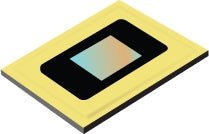
In an era where seamless connectivity and automation are transforming industries, Radio-Frequency Identification (RFID) technology has quietly emerged as a backbone of modern innovation. From retail checkouts to hospital patient tracking, RFID modules are revolutionizing how we interact with objects...

阅读更多

Is the TIR Prism Directly Corresponding to the DMD Chip Size? - SICUBE
Is the TIR Prism Directly Corresponding to the DMD Chip Size?

TIR prisms and DMD chip sizes exhibit a functional compatibility relationship, but they are not strictly one-to-one matched. The key points are as follows: I. Core Compatibility Factors Optical Coverage MatchingThe TIR prism must ensure that the illumination beam fully...

阅读更多

Summary of TIR Prism Applications - SICUBE

Summary of TIR Prism Applications

TIR prisms (Total Internal Reflection prisms) are widely used in advanced optical systems due to their efficient light control and compact design. Key application scenarios include: Digital Projection SystemsTIR prisms separate illumination and imaging beams in DLP-based projectors, improving energy...

阅读更多

Recent Advancements in Vat Photopolymerization 3D Printing - SICUBE

Recent Advancements in Vat Photopolymerization 3D Printing

Vat Photopolymerization 3D Printing Specific technical variants include: Stereolithography (SLA): Utilizes a UV laser to selectively cure liquid resin. Digital Light Processing (DLP): Employs a projector light source to cure resin layer by layer. LCD Masking (e.g., LCD-SLA): Uses an...

阅读更多